Stable Housing Affordability Is Giving Developers Greater Confidence in Mumbai's Residential Market
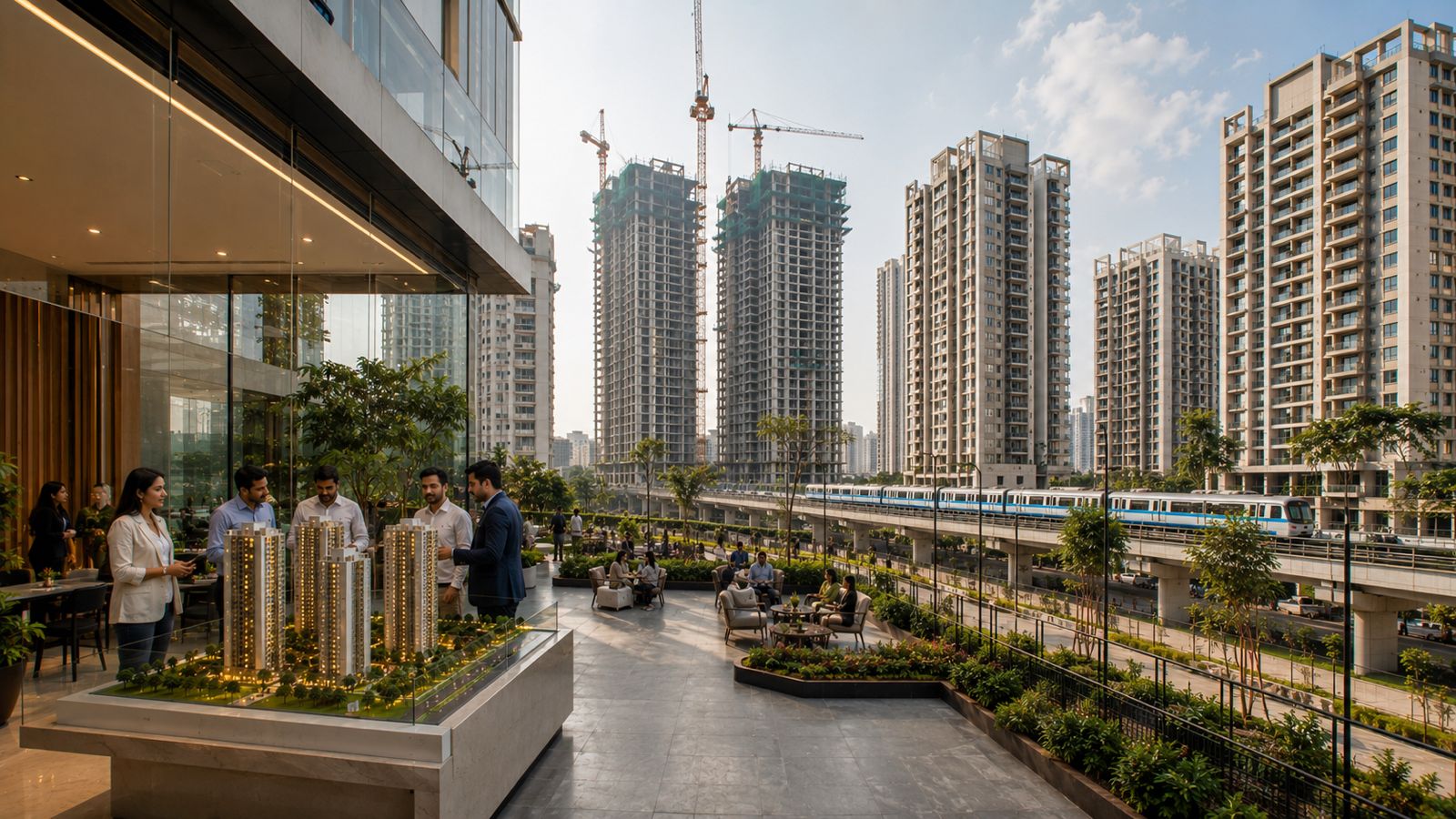
Residential property prices have continued to rise across India's major cities, yet buyer activity has remained resilient. Improved financing conditions have helped maintain housing affordability in several markets, allowing genuine end-users to continue entering the housing sector despite increasing property values. For developers and builder sales teams, this is an encouraging indicator that residential demand remains fundamentally healthy.
While Mumbai continues to command premium pricing compared to other cities, consistent buyer interest demonstrates that purchasing decisions are increasingly being driven by long-term confidence rather than short-term market sentiment. This provides developers with greater visibility while planning future residential launches and sales strategies.
Demand Is Being Driven by End-Users, Not Speculation
One of the most positive developments in today's residential market is the growing dominance of genuine homebuyers. Families upgrading to larger homes, professionals purchasing their first apartments, and long-term investors continue to support residential demand across multiple price segments.
This shift creates a more sustainable market environment compared to speculative cycles, allowing developers to plan projects with greater confidence and predictable absorption rates.
Projects designed around real lifestyle requirements are likely to perform better than those relying primarily on aggressive pricing strategies.
Financing Conditions Continue to Support Sales
Lower home loan interest rates have improved purchasing confidence by making monthly loan repayments more manageable for many buyers.
Although residential prices have appreciated, financing has helped maintain affordability levels that encourage qualified buyers to proceed with their purchase decisions.
For builder sales teams, this creates an opportunity to educate customers about long-term ownership benefits instead of allowing conversations to focus solely on current pricing.
A well-informed buyer is often more confident in making a timely purchase decision.
Infrastructure Continues to Shape Residential Demand
Metro expansion, coastal road connectivity, redevelopment initiatives, and new business districts continue to reshape buyer preferences across the Mumbai Metropolitan Region.
Developers launching projects in infrastructure-led growth corridors are increasingly benefiting from stronger customer interest as buyers recognise the long-term advantages of improved accessibility and neighbourhood development.
Future-ready locations are becoming just as important as project specifications when customers evaluate residential investments.
Premium Housing Continues to Show Strong Momentum
Demand for larger homes, integrated townships, lifestyle amenities, wellness facilities, and community living continues to influence new residential launches.
Modern buyers increasingly expect projects to deliver a complete living experience rather than simply residential units.
Developers who successfully integrate sustainability, open spaces, technology, and premium lifestyle features into their projects are likely to remain competitive in an evolving housing market.
The focus has shifted from selling apartments to creating long-term communities.
Builder Sales Teams Should Focus on Market Education
Today's customers conduct extensive research before visiting a project. They compare locations, developers, financing options, and future infrastructure before making a decision.
Sales teams that can clearly explain long-term value, neighbourhood growth, construction quality, and project differentiation are better positioned to convert enquiries into bookings.
Providing meaningful market insights helps build trust while reducing price-driven negotiations.
Expert View by Sandeep Sadh
Housing affordability is influenced by multiple factors beyond property prices, including financing costs, infrastructure investment, employment growth, and consumer confidence. The current market demonstrates that buyers remain willing to invest when they believe a project offers genuine long-term value. For developers, this reinforces the importance of launching projects in strategic locations, maintaining product quality, and delivering strong customer experiences. Sustainable demand is ultimately built on trust, location, and long-term value creation rather than short-term pricing alone.