Mulund salt-pan development plan now includes a commercial tower
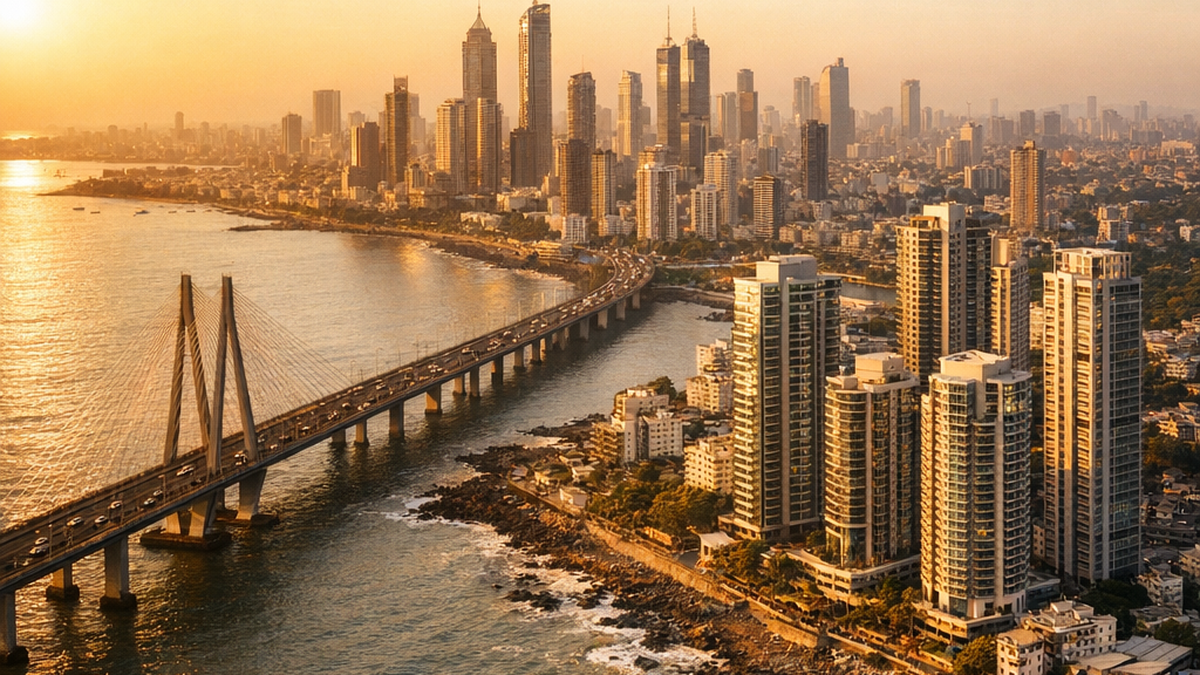
A new commercial tower has been proposed in the development plan for the Mulund salt pan lands, indicating a shift towards intended commercial use of these ecologically sensitive areas. This inclusion in the city's development reservation proposals highlights a growing focus on office-led development in Mulund, a locality that has historically been at the centre of discussions regarding the use of salt pan lands.
Understanding the Context of Salt Pan Lands
The salt pan lands in Mumbai are not just valuable for their potential for development; they also play a crucial role in the local ecosystem. These areas are significant for their environmental contributions, including acting as flood buffers and supporting biodiversity. The ongoing debate surrounding their use often involves balancing development interests with ecological preservation. This makes any proposal for construction, such as the newly surfaced commercial tower, a focal point for scrutiny from various stakeholders, including urban planners and environmentalists.
Implications of the Proposed Commercial Tower
The emergence of a commercial tower in the development plan for the Mulund salt pans raises important questions about the future of this area. It signals a potential shift in land use that could lead to increased commercial activity, which may bring economic benefits but also poses risks to the environment. The proposed development will likely require navigating a complex landscape of regulatory clearances, ensuring that any construction adheres to environmental guidelines while addressing the demand for commercial space.
Future Considerations for Mulund
As discussions about the commercial tower progress, it will be essential to consider the broader implications for the Mulund area. The introduction of office-led development could attract businesses and create job opportunities, contributing to the local economy. However, it is crucial to ensure that such developments do not compromise the ecological integrity of the salt pan lands. Stakeholders will need to engage in meaningful dialogue to find a balance between growth and environmental stewardship.
Conclusion
The proposal for a commercial tower in the Mulund salt pan lands is a significant development that reflects the ongoing tension between urban growth and ecological preservation. As the planning process unfolds, it will be vital for all parties involved to consider the long-term impacts of such developments on both the environment and the community. For potential investors and businesses, this could represent an opportunity, but it also necessitates careful consideration of the regulatory landscape and environmental responsibilities.