DMart's ₹100 Crore Thane Acquisition Reinforces Corporate Confidence in MMR's Emerging Commercial Corridors
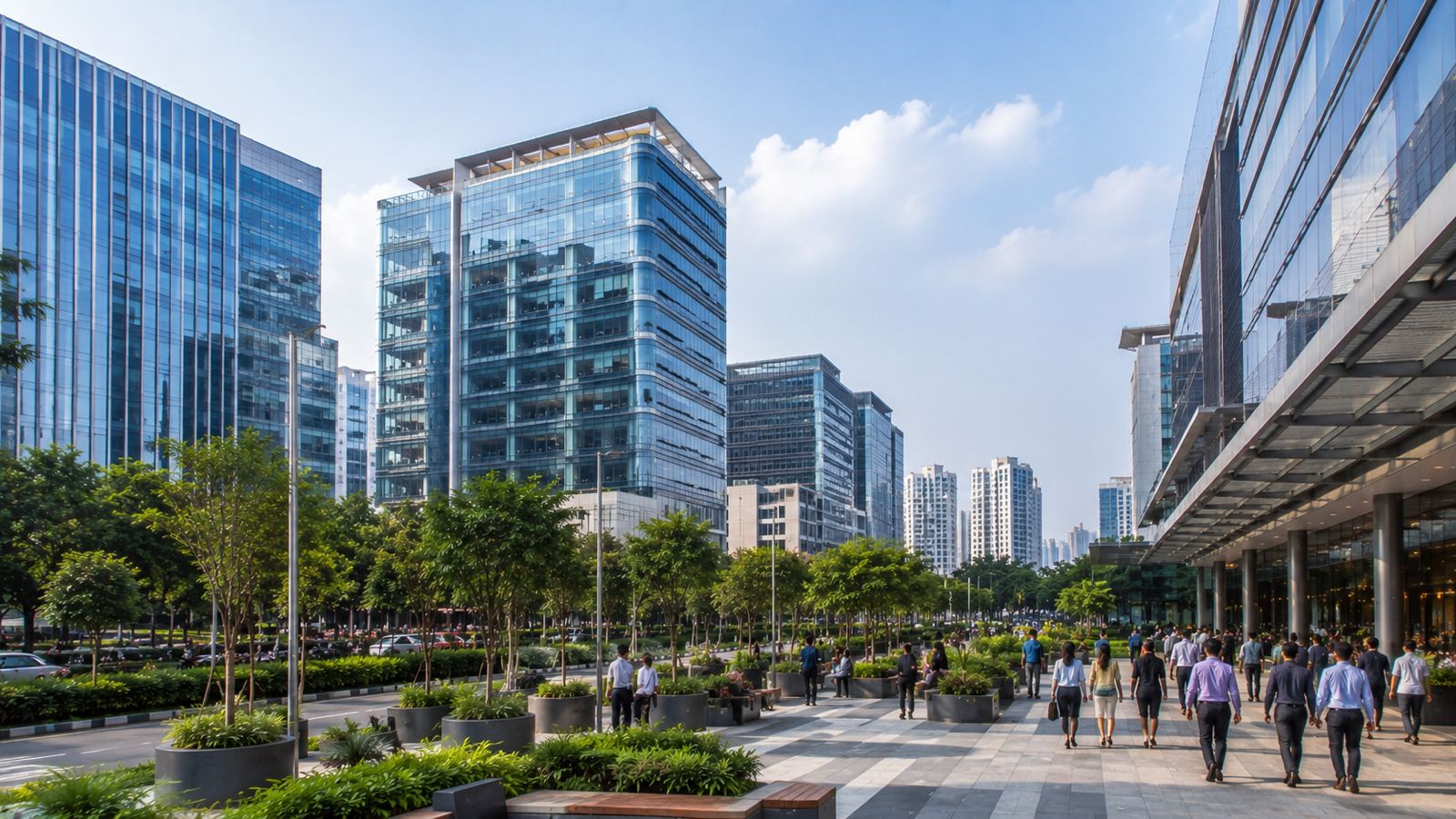
Major corporate real estate acquisitions often provide valuable insight into where businesses see the next phase of urban growth. DMart's decision to acquire multiple floors in a commercial building in Thane for approximately ₹100 crore is more than a high-value property transaction—it reflects growing confidence in the Mumbai Metropolitan Region's expanding commercial ecosystem.
As one of India's largest organised retail chains continues to strengthen its owned real estate portfolio, the acquisition also highlights an important market trend. Corporates are increasingly looking beyond traditional business districts and investing in emerging commercial hubs that offer long-term scalability, modern infrastructure, and strong consumer catchments.
For developers and builder sales teams, this transaction reinforces the importance of creating integrated commercial developments in high-growth locations.
Thane Has Become a Strategic Business Destination
Over the past decade, Thane has evolved from a predominantly residential city into one of the Mumbai Metropolitan Region's fastest-growing commercial centres. Grade A office developments, organised retail, premium residential projects, and improving transport infrastructure have collectively transformed the city's business landscape.
Its strategic location, expanding Metro network, enhanced road connectivity, and access to a growing residential population have made it an attractive destination for both corporate occupiers and institutional investors.
Transactions of this scale further strengthen market confidence in Thane's long-term commercial potential.
Corporate Ownership Demonstrates Long-Term Commitment
Unlike leased office spaces, owned commercial assets often reflect a company's long-term operational strategy. Businesses investing significant capital into property ownership are typically committing to sustained growth within that location.
For developers, this trend creates opportunities to design projects that meet evolving corporate requirements, including flexible floor plates, sustainability features, efficient building management systems, and integrated retail components.
Commercial developments that support operational efficiency and employee experience are increasingly becoming preferred investment choices.
Mixed-Use Development Is Driving the Next Growth Cycle
Modern commercial success is no longer driven by office buildings alone. Businesses increasingly favour locations where employees have access to quality residential housing, retail destinations, healthcare, education, hospitality, and public transport within close proximity.
This integrated development model benefits developers by creating stronger demand across residential, commercial, and retail assets while improving the long-term sustainability of urban growth.
Thane's evolving live-work ecosystem reflects this broader transformation taking place across the Mumbai Metropolitan Region.
Builder Sales Teams Should Leverage Market Momentum
Corporate investments by established national brands often enhance buyer confidence across the surrounding market. Builder sales teams can use these developments to demonstrate the growing commercial importance of emerging locations and explain how expanding business activity contributes to stronger long-term real estate fundamentals.
Rather than focusing only on project specifications, sales professionals should position developments within the larger context of infrastructure growth, employment generation, and commercial expansion.
Educating buyers through market intelligence helps build trust and supports informed purchasing decisions.
Commercial Confidence Strengthens the Entire Real Estate Ecosystem
Every major corporate acquisition contributes to a broader cycle of economic activity. New businesses attract employment, increase consumer spending, stimulate supporting industries, and create demand for residential housing, retail, hospitality, and urban infrastructure.
Developers who anticipate these shifts and plan projects around future business corridors are likely to benefit from sustained market demand over the long term.
As the Mumbai Metropolitan Region continues to decentralise its commercial activity, locations with balanced residential and business ecosystems are expected to play an increasingly significant role in shaping future development.
Expert View by Sandeep Sadh
Corporate acquisitions of commercial real estate often provide one of the strongest indicators of long-term market confidence. They reflect not only faith in a particular building but also in the surrounding business ecosystem, infrastructure, and economic outlook. Thane has steadily positioned itself as one of the Mumbai Metropolitan Region's most promising commercial destinations, and investments of this nature reinforce its growing importance. For developers and builder sales teams, the focus should remain on creating integrated projects that combine commercial efficiency, residential convenience, and sustainable urban planning.