Why the Mumbai Region Is Planning for a Trillion-Dollar Future
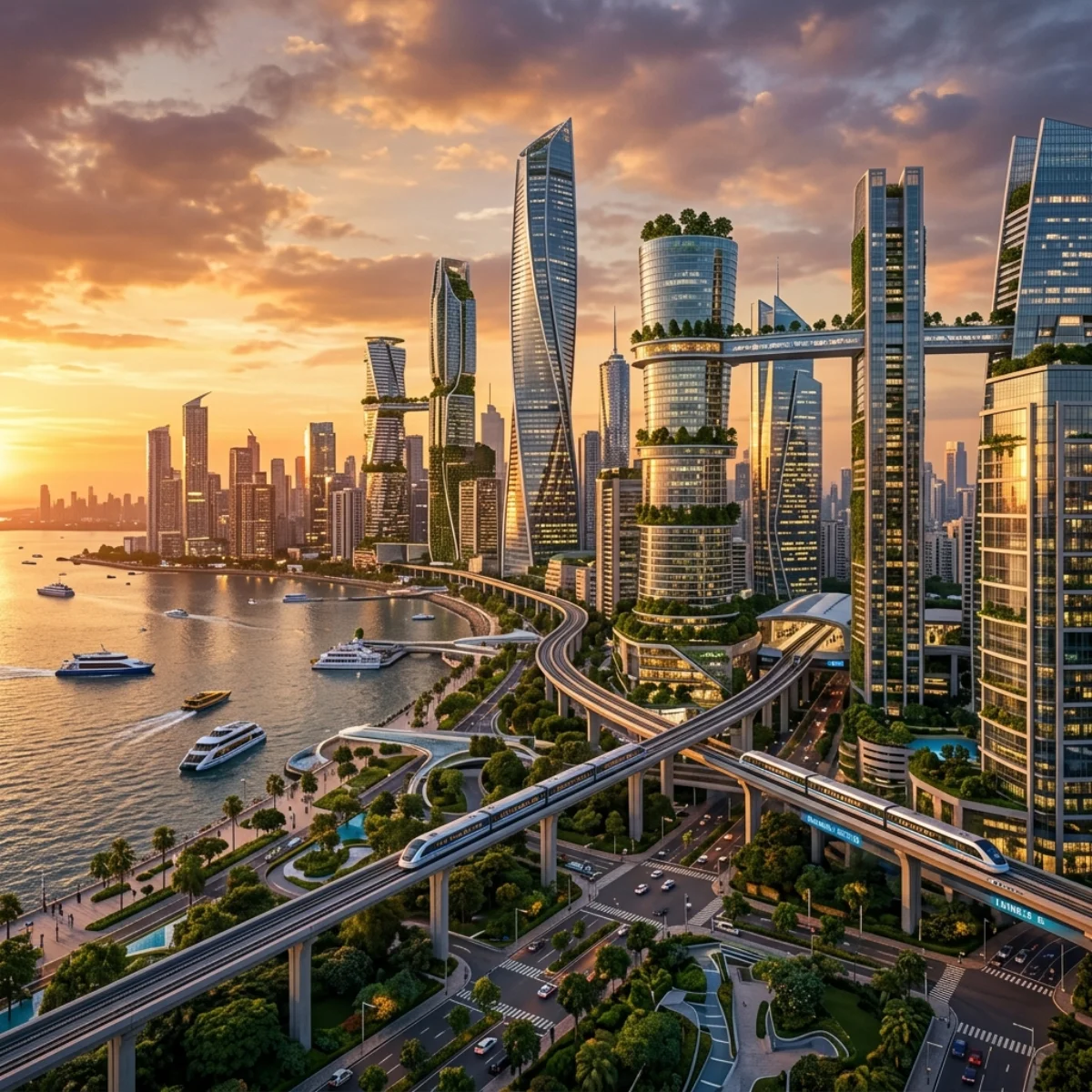
The Mumbai Metropolitan Region (MMR) is setting its sights on a transformative future, aiming to elevate its economy from approximately a $140 billion base to a staggering $1.2-1.5 trillion by 2047. This ambitious vision is underpinned by one of the largest infrastructure cycles in the country, which includes the development of metro lines, sea links, coastal roads, new corridors, an airport, and planned townships.
Infrastructure Development as a Catalyst
The extensive infrastructure projects planned for the MMR are expected to play a crucial role in facilitating economic growth. Improved connectivity through metro lines and road networks will not only enhance transportation but also stimulate commercial and residential development in previously underdeveloped areas. This infrastructure boom aims to create a more integrated urban environment, making it easier for residents to access jobs, education, and services.
Population Growth and Housing Demand
As the MMR prepares for a population surge projected to reach between 3.6 and 3.8 crore by 2047, the implications for housing are profound. Currently, the region is grappling with a housing shortage estimated at 4-4.5 lakh units. To accommodate the influx of new residents and meet the growing demand, large-scale redevelopment initiatives and the construction of new housing units across suburbs and growth nodes will be essential.
Opportunities for Buyers and Investors
The long-term planning and infrastructure development signal a steady demand for real estate in the MMR. For homebuyers, this means a growing array of better-connected areas to choose from, potentially leading to more affordable housing options as new developments come online. Investors may find opportunities in both residential and commercial properties, particularly in emerging neighborhoods that are set to benefit from the planned infrastructure enhancements.
Conclusion
The ambitious planning for the MMR's future reflects a strategic approach to urban development that aims to address current challenges while preparing for significant growth. For buyers, tenants, and investors, this presents a unique opportunity to engage with a market poised for transformation, characterized by enhanced connectivity and a focus on sustainable urban living.