The Role of Mulund in Dharavi Redevelopment
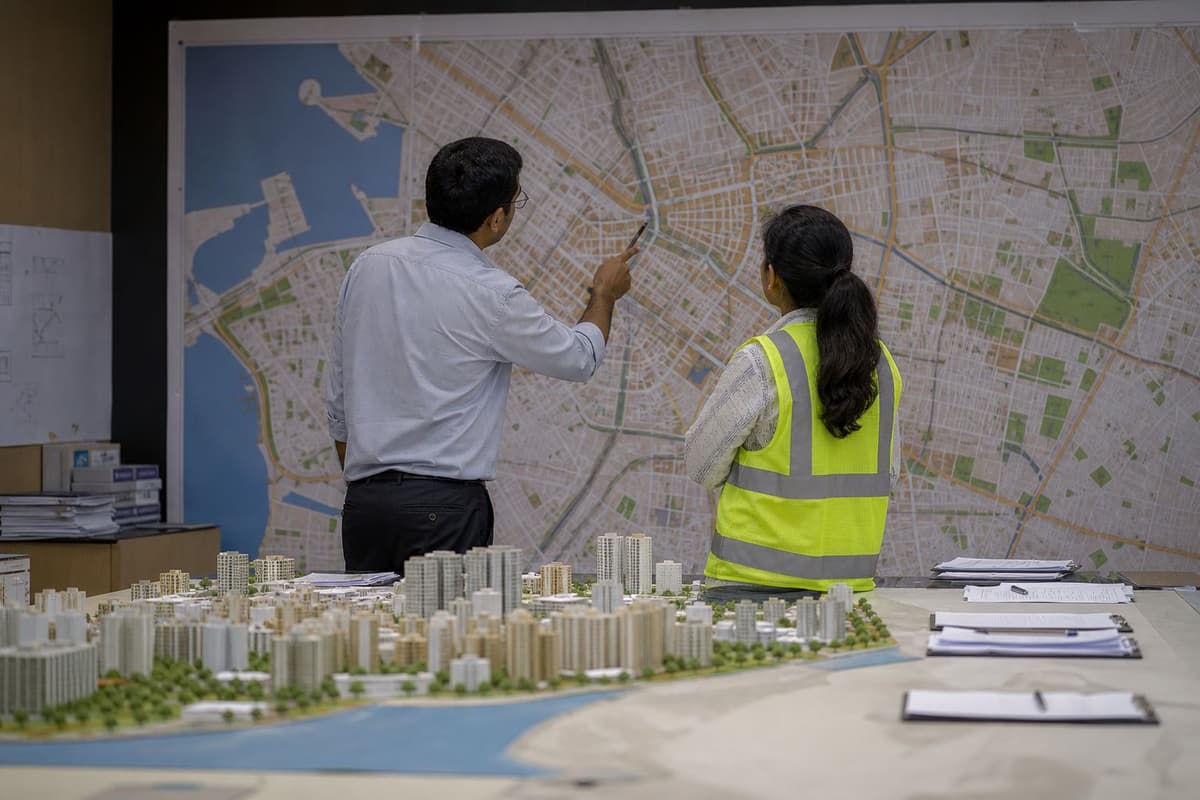
The proposed lease of a 15-acre Mulund site for Dharavi redevelopment brings attention to an often-overlooked part of project execution: logistics.
Large redevelopment schemes require more than approvals, design and construction finance. They need space for material handling, debris management, vehicle movement and site coordination. Without a planned logistics system, construction activity can become slower, more expensive and more disruptive to residents.
If the Mulund site is approved, its value will lie in whether it creates a structured support system for the Dharavi project. The arrangement should define the permitted use of land, operating timeline, material movement plan, environmental controls and restoration obligations after the lease period ends.
For developers, brokers and sales teams, this is a useful lesson in communicating redevelopment progress. Buyers should not be shown only visual plans and possession targets. They should also understand the approvals, land arrangements and support infrastructure that make execution possible.
The proposal does not guarantee a faster project timeline. But it can remove one practical obstacle if it is backed by clear permissions, efficient operations and accountable monitoring.
Key takeaway: In major redevelopment, logistics land can be as important as construction land because execution depends on both.