What is FSI? Impact on GST for Mumbai Real Estate
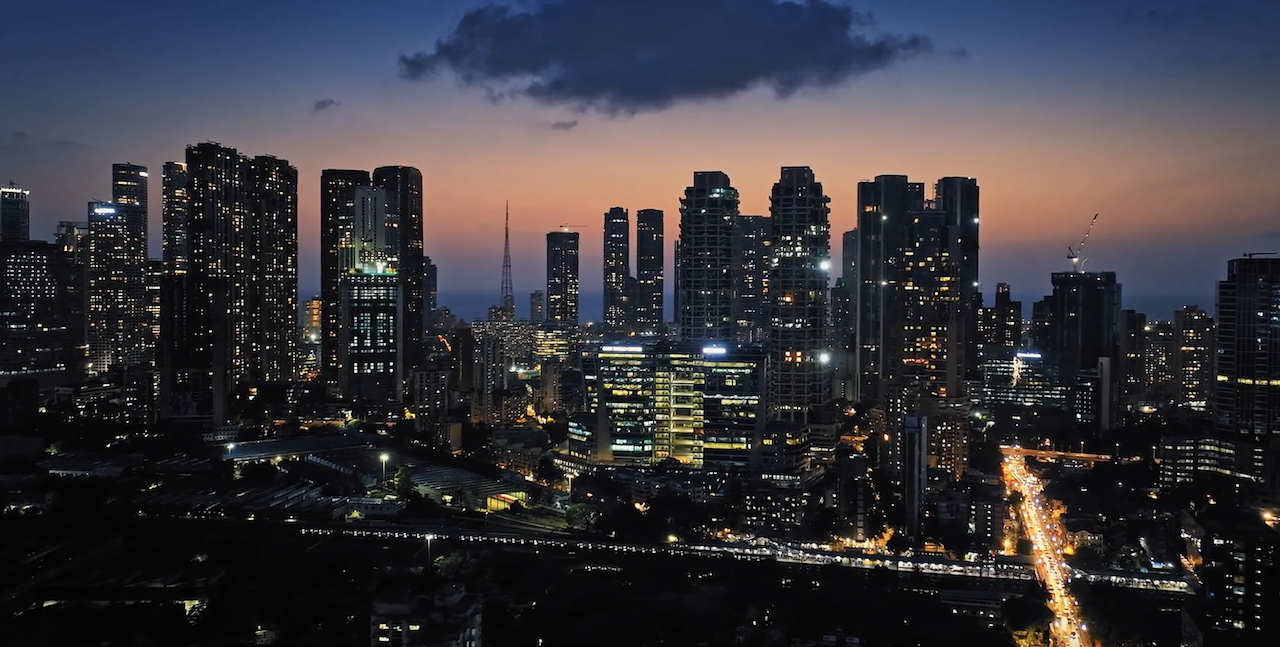
Floor Space Index (FSI) is an essential aspect of real estate development in Mumbai, determining how much construction can occur on a given plot of land. It represents the ratio of the total built-up area to the size of the plot. For instance, an FSI of 2 allows for a total built-up area that is twice the size of the plot. This parameter is governed by local development control regulations and plays a crucial role in urban planning.
Understanding the Importance of FSI
FSI is fundamental to urban development as it influences various factors such as land utilization, the aesthetics of the skyline, population density, and the infrastructure load within a city. For developers, FSI directly impacts the feasibility and profitability of projects. A higher FSI means more construction can be undertaken, which can lead to increased revenue potential. However, this also necessitates robust infrastructure to support the higher population density that comes with increased construction.
Cost Implications of FSI
The cost associated with FSI can significantly affect real estate projects. Developers often pay premium charges to local authorities for acquiring additional FSI beyond the base limit, particularly in metropolitan areas like Mumbai. These charges can vary based on factors such as location, plot size, and prevailing market conditions. The potential addition of an 18% Goods and Services Tax (GST) on these charges could further inflate project costs and, consequently, housing prices, making it a critical consideration for both developers and buyers.
Calculating FSI
FSI is calculated using the formula: FSI = Total Built-Up Area / Plot Area. For example, if a plot measures 1,000 sq. ft. and has an allowable FSI of 2, the developer can construct a total built-up area of 2,000 sq. ft. The limits on FSI are influenced by local regulations, zoning laws, and the type of development, whether residential, commercial, or mixed-use.
FSI's Relevance in Mumbai's Real Estate Market
In Mumbai, one of the most densely populated cities globally, FSI regulations are particularly stringent. These regulations aim to balance urban growth with the available infrastructure. Developers often seek to purchase additional FSI to maximize the usage of land, especially in prime locations where demand is high. This practice highlights the ongoing challenges in managing urban density and infrastructure in a rapidly growing metropolis.
Practical Takeaway
For homebuyers, tenants, and investors, understanding FSI is crucial as it directly affects the availability and pricing of residential and commercial properties in Mumbai. Awareness of how FSI impacts project costs and housing prices can inform better investment decisions and expectations in the real estate market.